
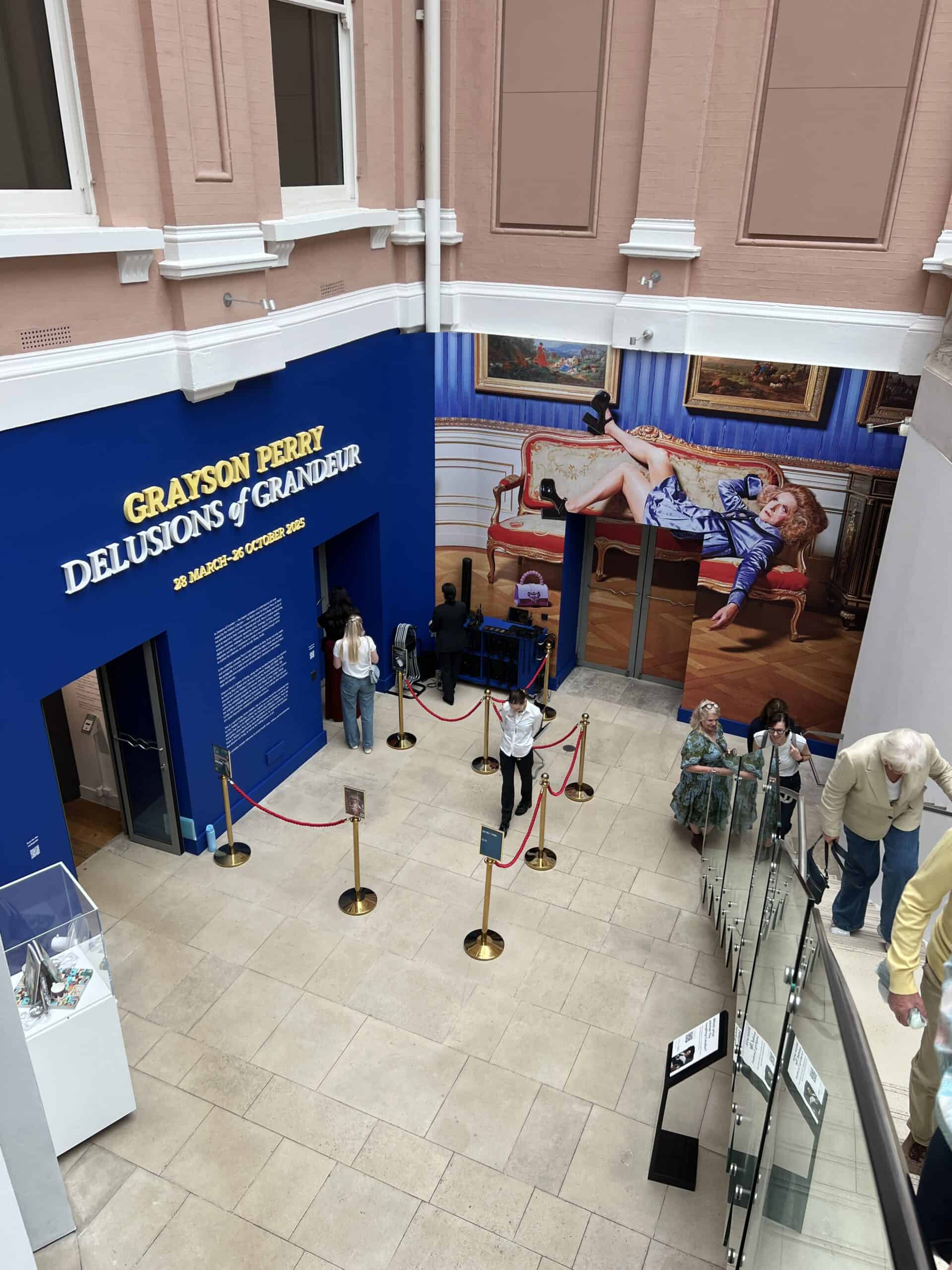
Grayson Perry Wallace Collection. A few months ago, I visited the Wallace Collection in London to see Grayson Perry’s latest exhibition, Delusions of Grandeur — a bold, thought-provoking, and deeply personal exploration of what it means to create and collect art in today’s world. The show brings together over 40 new works by the Turner Prize-winning artist, spanning ceramics, tapestries, and works on paper. It’s the largest contemporary exhibition ever held at the Wallace Collection — and it’s every bit as ambitious as the title suggests.
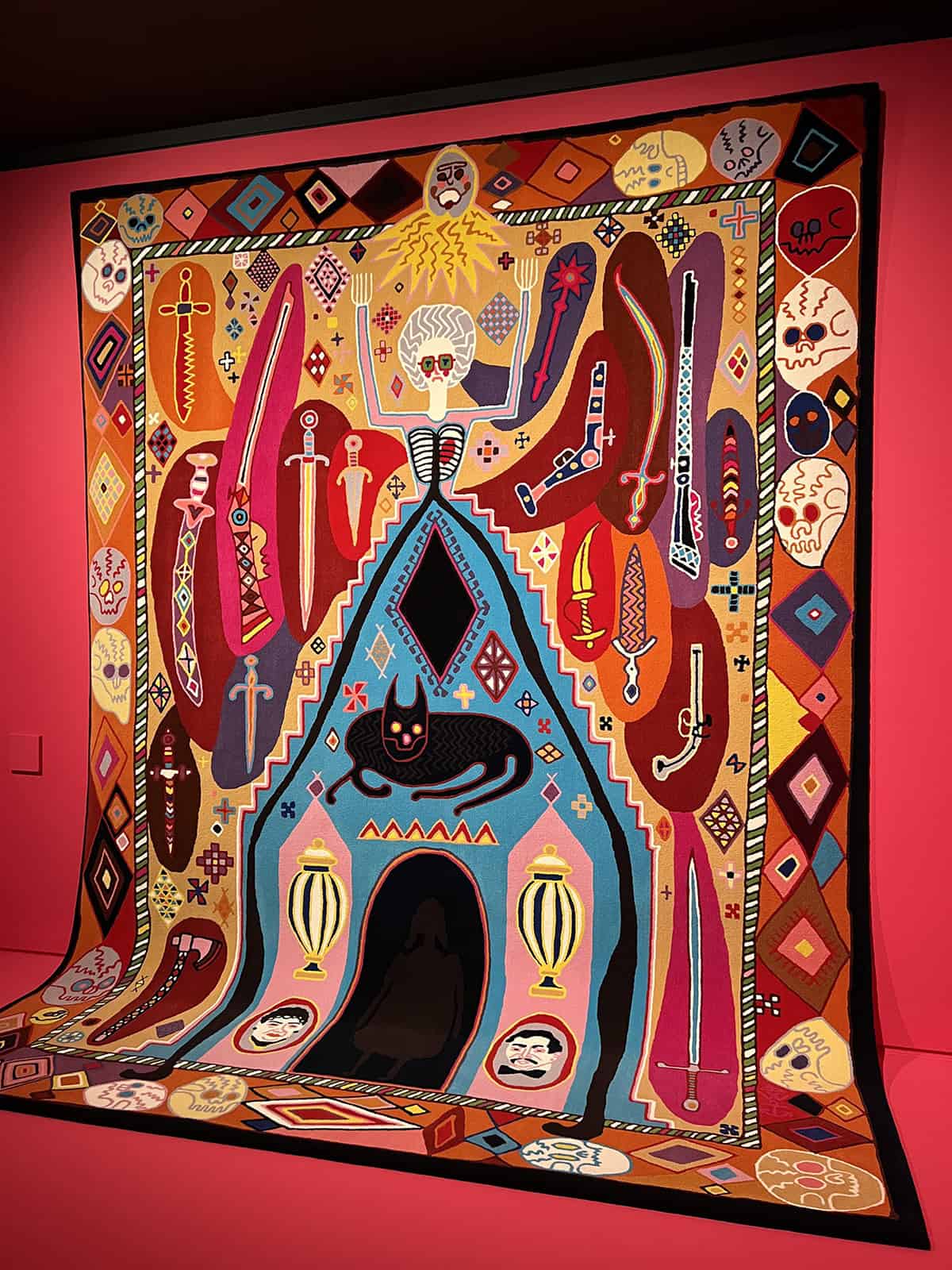
What immediately struck me was the dialogue Perry creates between his own pieces and the museum’s classical collection. His signature ceramics, with their vivid colour and biting social commentary, sit alongside ornate 18th-century masterpieces. The effect is both jarring and playful — Perry invites us to question notions of taste, craftsmanship, and hierarchy in art. The traditional surroundings amplify his wit, making every room feel like a conversation between the past and the present.
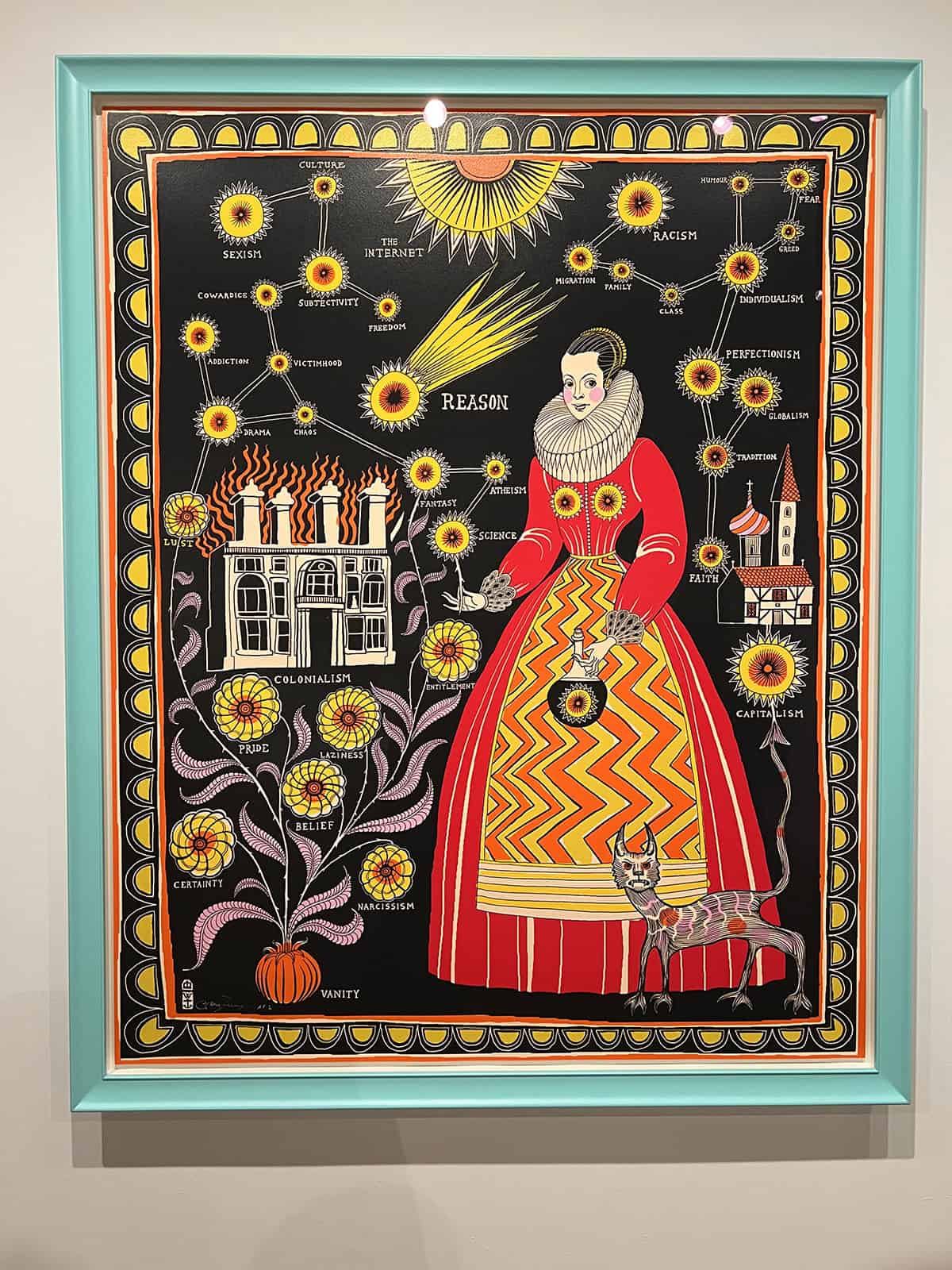
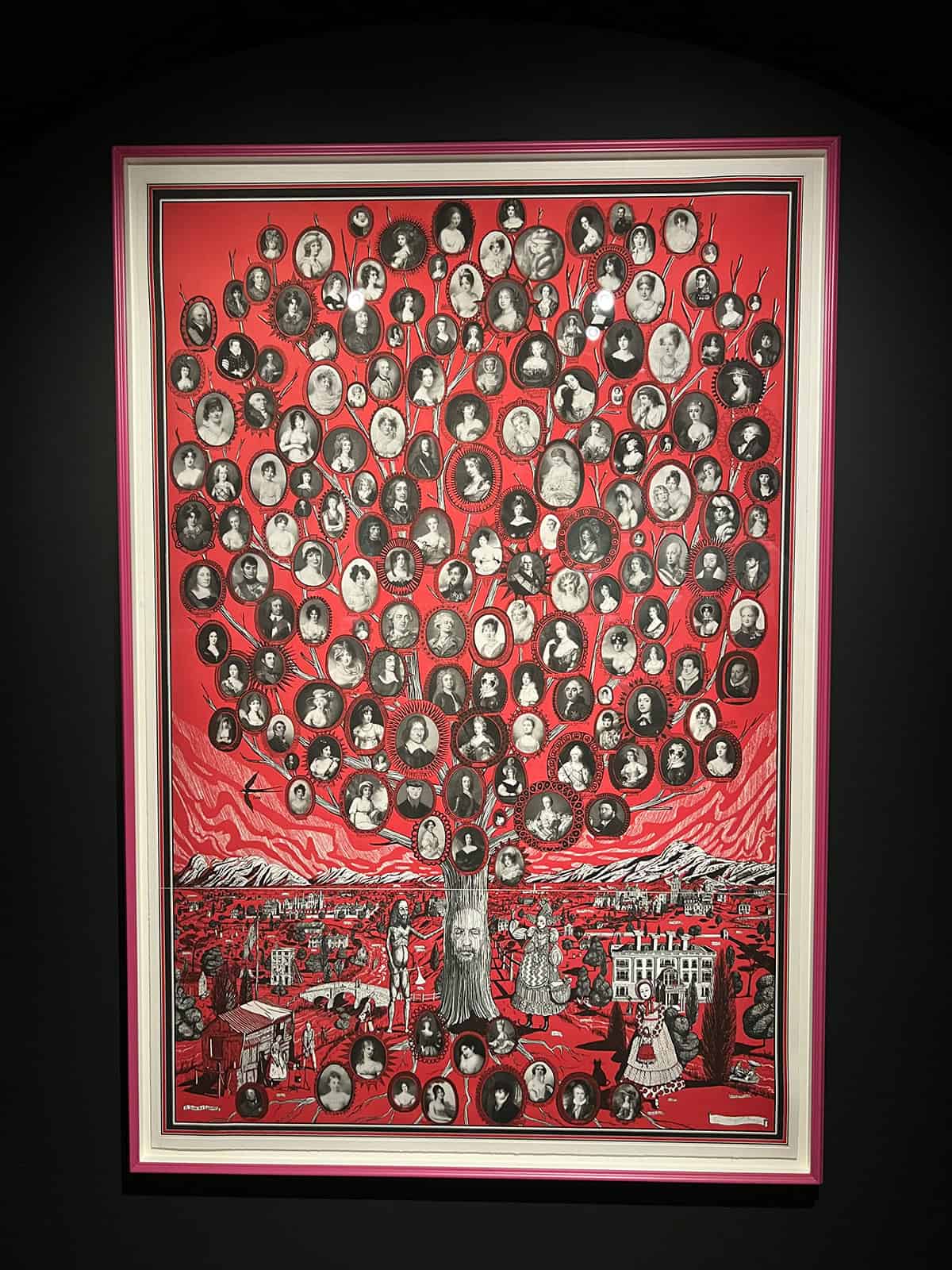
One of the exhibition’s central themes is craft versus technology. Perry places hand-crafted ceramics and tapestries next to digitally produced works, asking us to reflect on our obsession with perfection and authenticity. As someone who values the process of making — whether it’s drawing, design, or illustration — I found this tension particularly resonant. His work celebrates the imperfect and the human touch, reminding us that creativity thrives in imperfection.
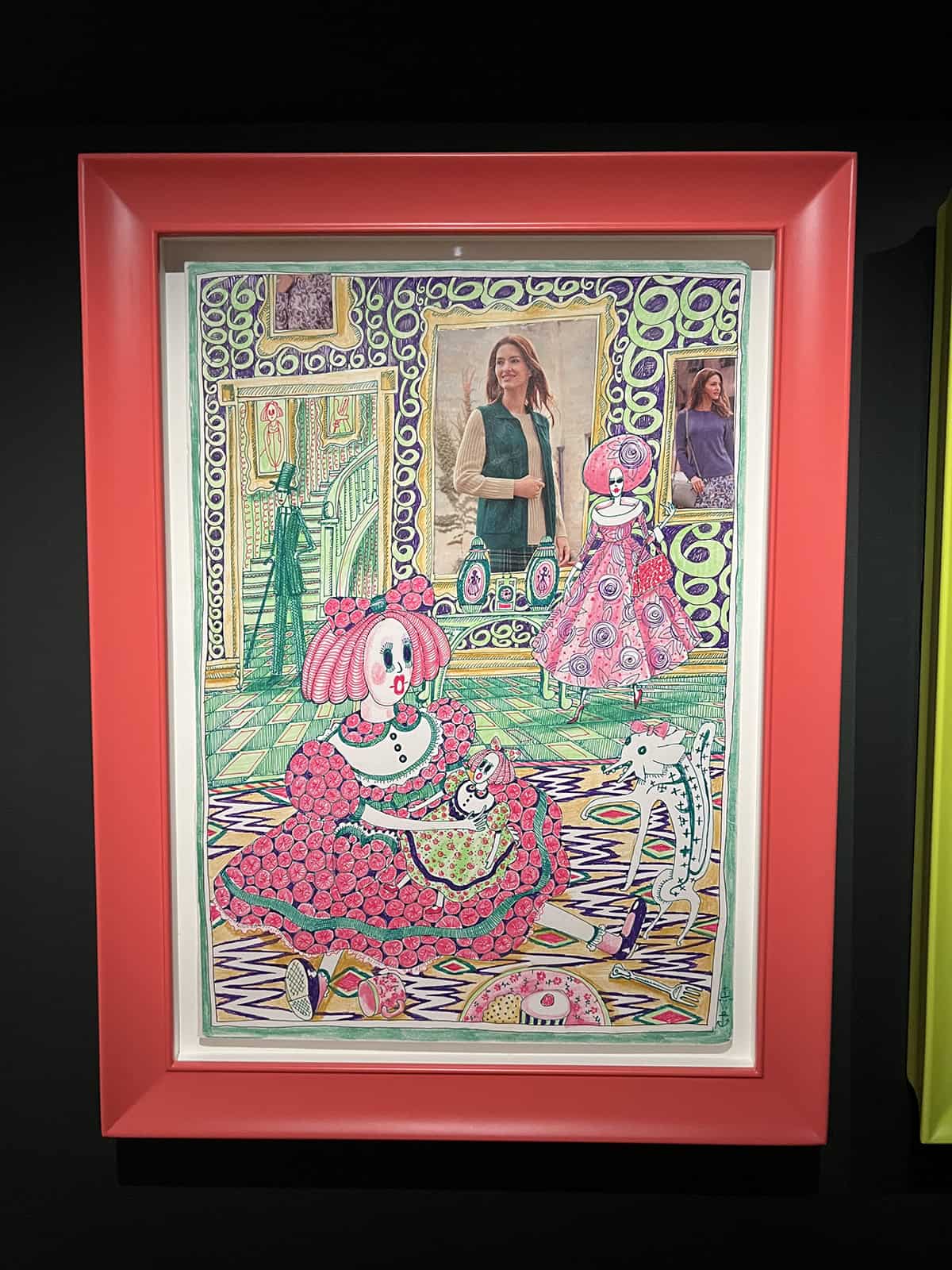
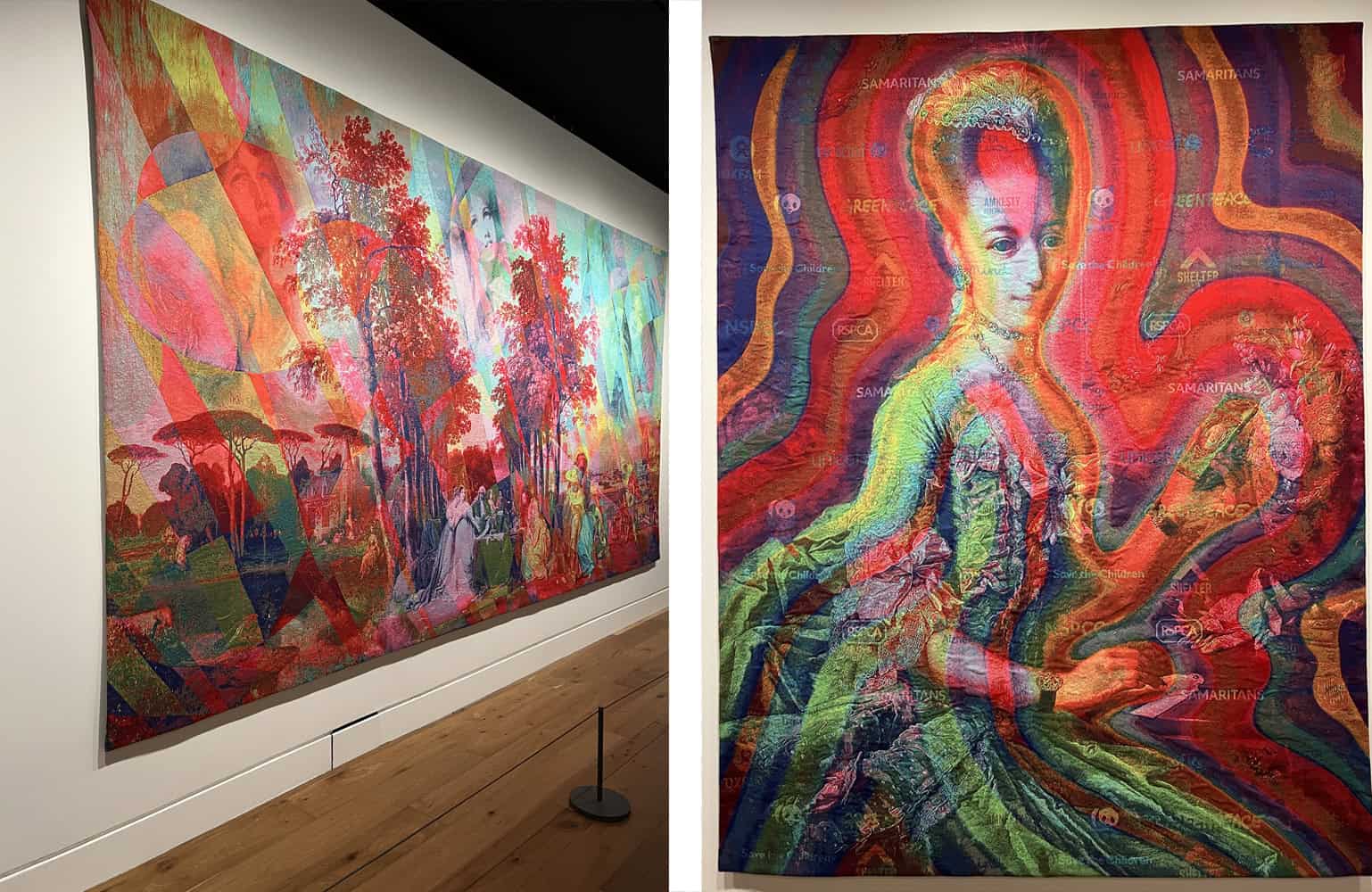
The show also highlights Perry’s long-standing interest in outsider art, with references to artists Aloïse Corbaz and Madge Gill. Discovering that Gill exhibited at the Wallace Collection back in 1942 adds a layer of historical continuity — a reminder that unconventional, visionary artists have always existed on the fringes. Perry connects their lives to his own, reflecting on childhood memories and how art can be a form of healing and self-definition.
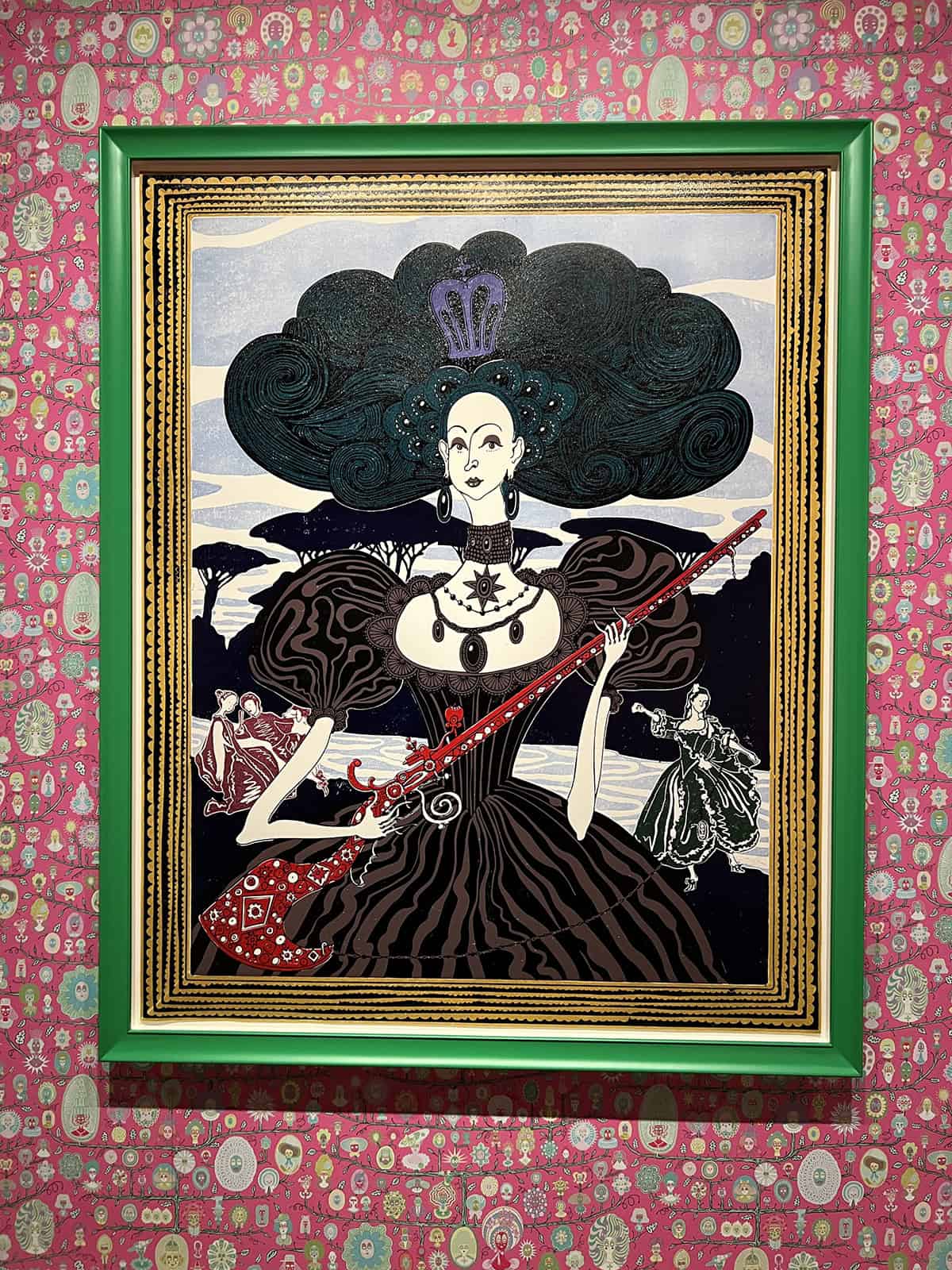
Marking his 65th birthday, Delusions of Grandeur feels like both a celebration and a reflection. It’s humorous, moving, and deeply British — mixing self-mockery with sincerity. The exhibition leaves you thinking not only about the role of the artist, but also about the act of collecting, displaying, and valuing art in an age of mass production.
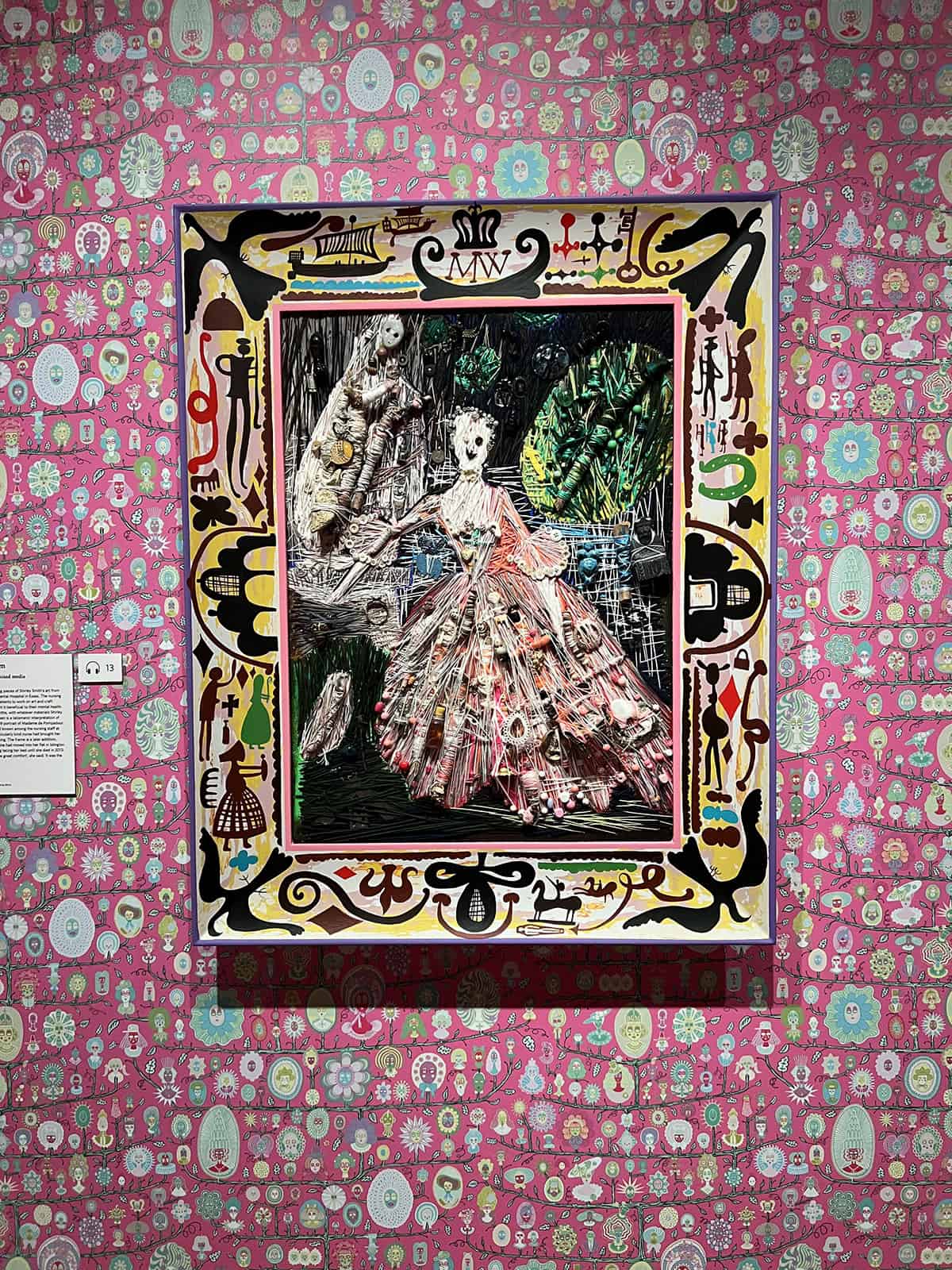
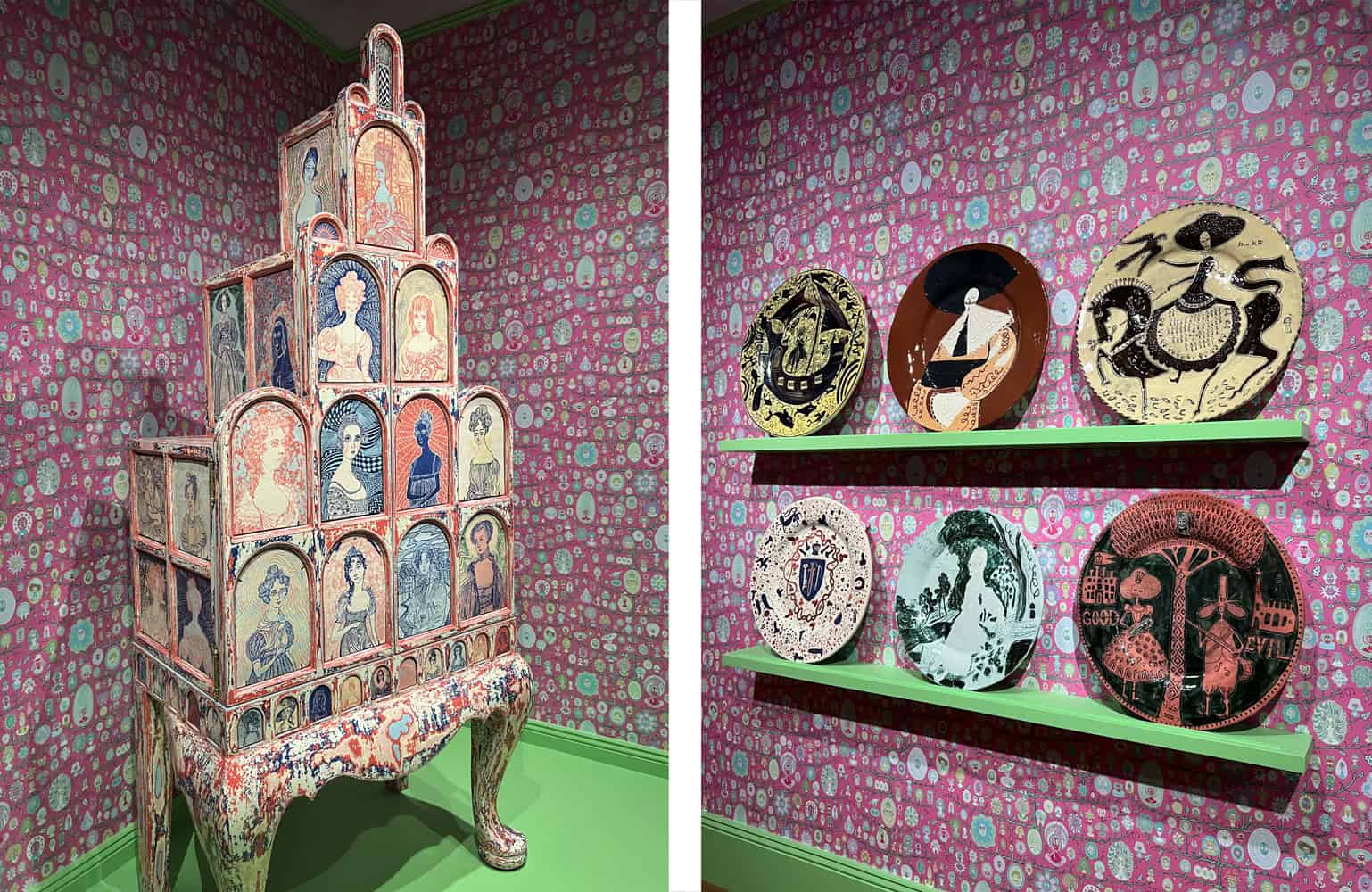
If you haven’t seen it yet, it’s well worth the visit — and below are a few of my favourite moments captured from the exhibition.






Leave a Reply